Best Inflatable Camping Beds

Comfortable sleeping anywhere

Inflatable camping beds are a key part of glampabouting. They provide mattress-level comfort while remaining portable enough for travel. Unlike thin sleeping pads, these beds are designed for support, height, and long-term use.

When paired with inflatable glamping tents, portable power stations, and camping refrigerators, they help create a comfortable and flexible alternative to RV travel.


What to Look For in an Inflatable Camping Bed


Common Types of Inflatable Camping Beds

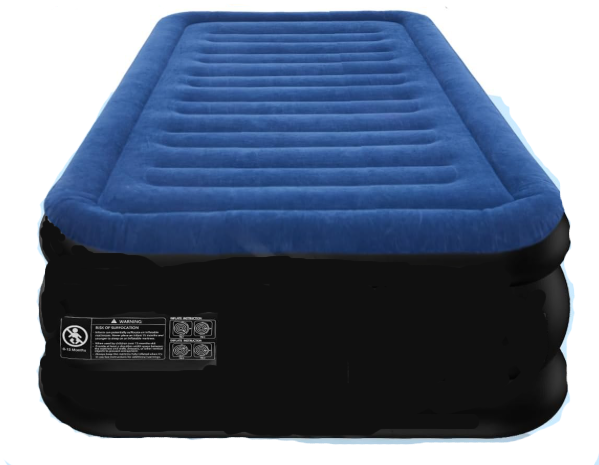
Raised Air Beds

Designed to mimic a standard bed height, these provide easier access and improved comfort for longer stays.

View on Amazon

Low-Profile Air Mattresses

Lighter and more compact, these are easier to transport but sit closer to the ground.

View on Amazon

Self-Inflating Sleeping Pads

Combine foam and air for added insulation and support. Suitable for cooler environments and uneven ground.

View on Amazon


Why Inflatable Beds Work for Glampabouting

Inflatable beds provide a level of comfort that traditional camping gear often lacks. With proper support and height, they allow for better rest during extended trips. Many models inflate quickly and maintain firmness throughout the night.

Because glampabouting focuses on comfort, these beds are often used alongside larger tents and powered equipment. This combination allows travelers to maintain a more consistent sleeping experience without relying on an RV.


Frequently Asked Questions

Are inflatable beds comfortable for multiple nights?

Yes. Higher-quality models are designed for extended use and can provide consistent support over several nights.

Do inflatable beds lose air overnight?

Some slight pressure changes are normal due to temperature, but well-made beds should retain most of their firmness.

Do you need electricity to inflate them?

Many models include built-in electric pumps, but manual and battery-powered options are also available.

Are they suitable for cold weather?

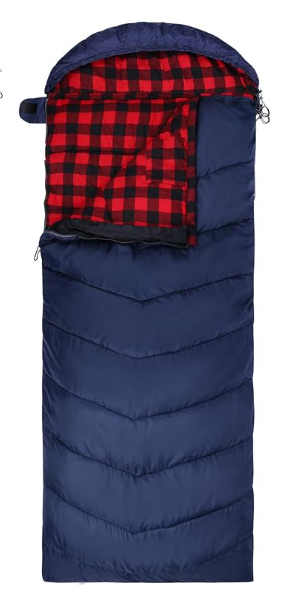
They can be used in cold conditions, especially when combined with insulation layers or sleeping bags designed for lower temperatures.