GLAMPABOUT PICK
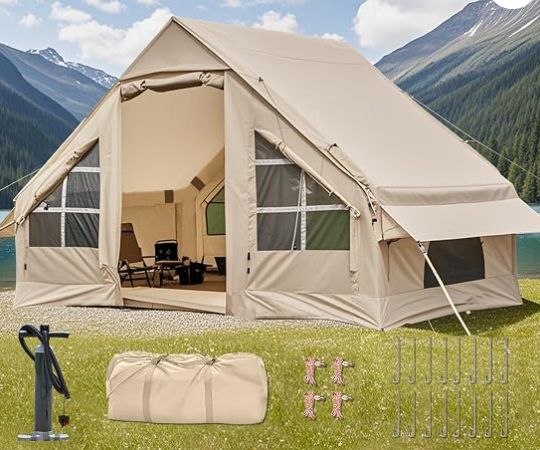
Glampabout Inflatable Tent
The inflatable tent used for the main Glampabout setup. It inflates by hand and provides standing room.
View the Glampabout Tent →
Every product in our glamping setup, from the tent to the WiFi, organized by category with the exact links.
This is the full gear list behind Glampabout: everything we actually run at our own campsite, section by section. It is how we skip the RV, skip paying for a furnished glampsite, and camp more comfortably than a plain tent trip.
The inflatable tent used for the main Glampabout setup. It inflates by hand and provides standing room.
View the Glampabout Tent →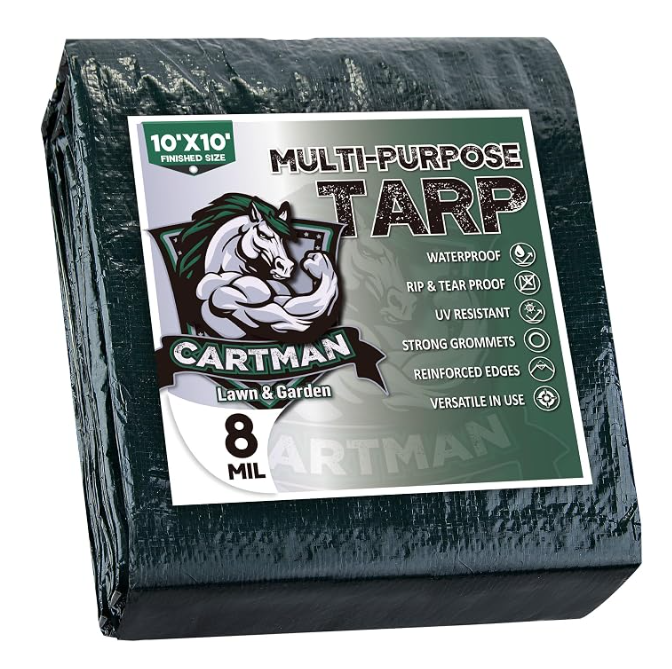
Ground protection beneath the tent for dirt, mud, moisture, and rough campsites.
View the Ground Tarp →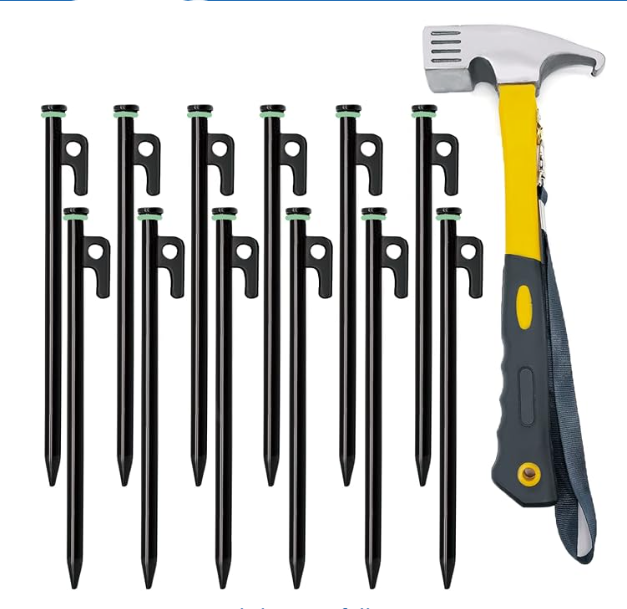
Longer stakes and a hammer for anchoring a tall comfort tent.
View Tent Stakes and Hammer →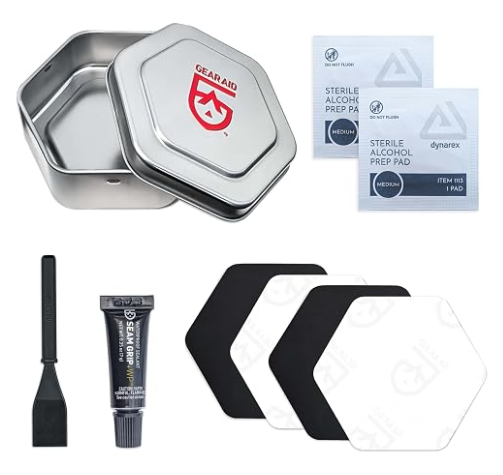
For fabric tears, seam repairs, and other small tent damage.
View the Tent Repair Kit →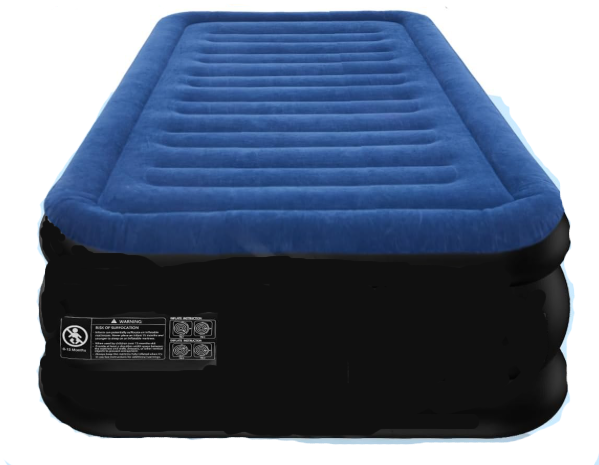
Raised air mattress with built-in pump, real bed height, and solid firmness.
View the Glampabout Bed →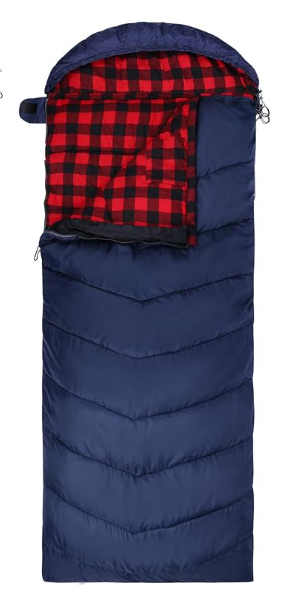
Warm flannel-lined sleeping layer for the airbed setup.
View the Flannel Sleeping Bag →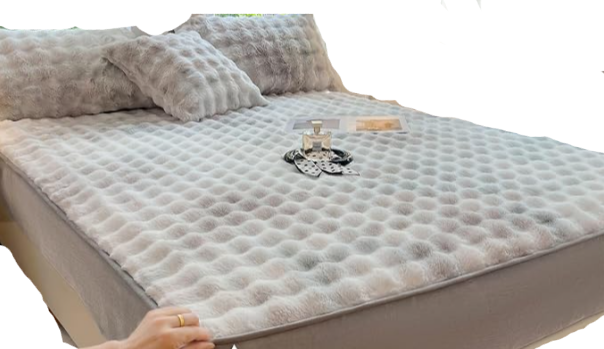
Soft fitted layer sized for the Twin XL airbed.
View the Twin XL Fitted Sheet →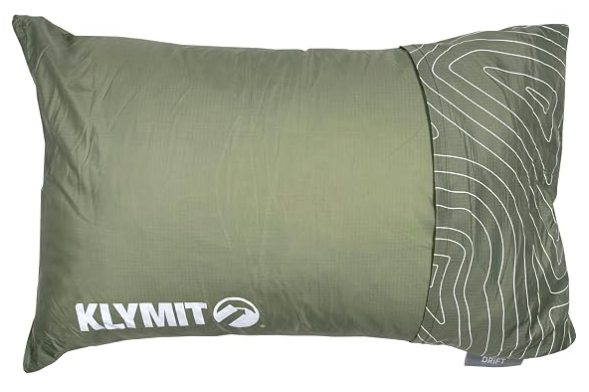
Compact Klymit pillow that still feels like a real pillow.
View the Camping Pillow →
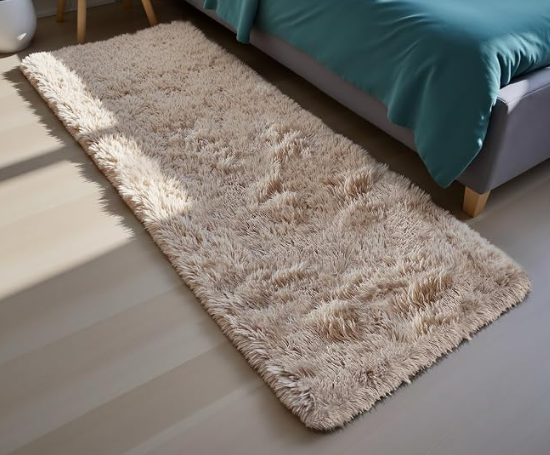
Placed above the airbed beneath sheets and sleeping bags.
View the Shag Carpet →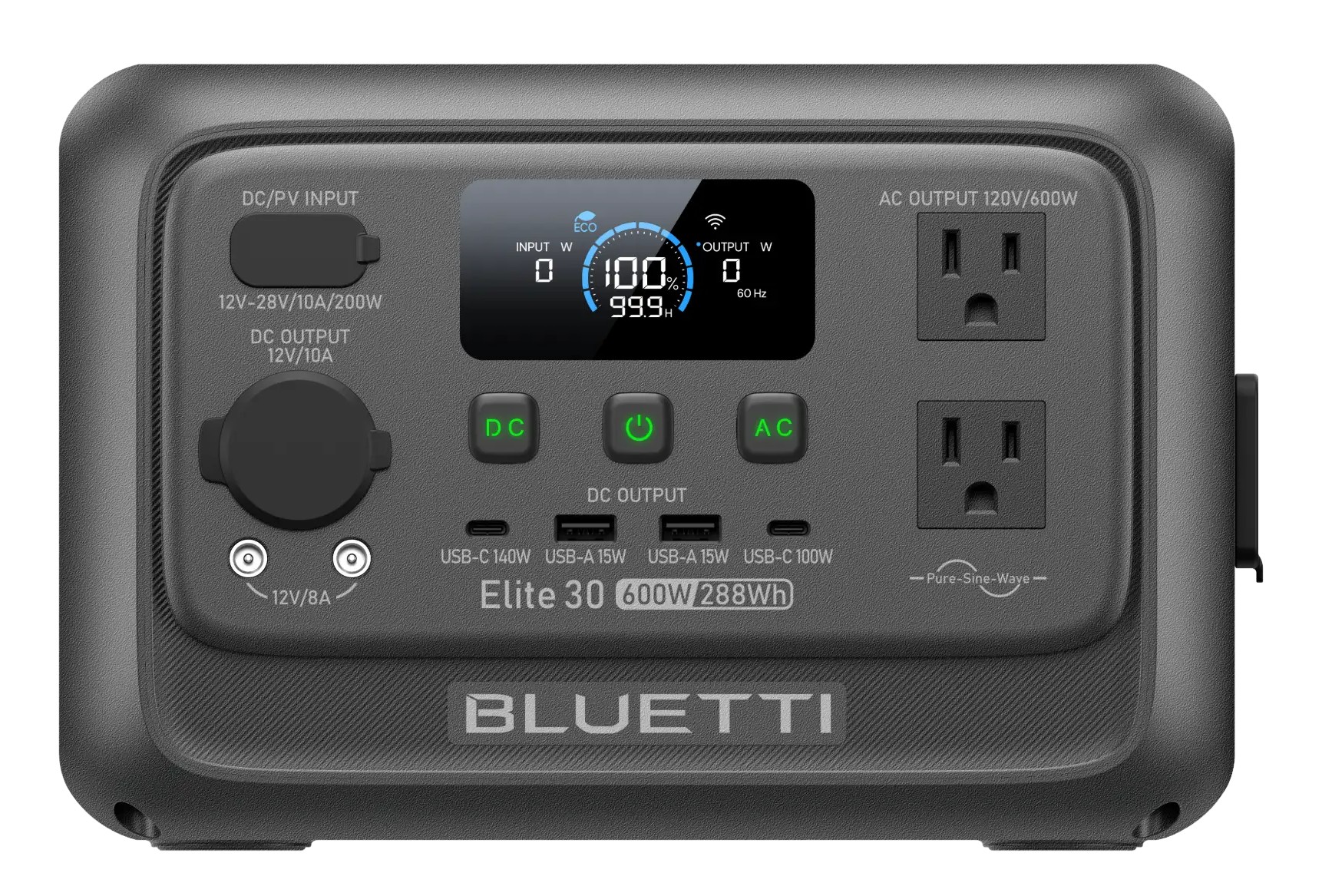
Our pick for camp power. 600W output, 288Wh capacity, compact and lightweight enough for phones, a fan, and other electronics at camp.
View the BLUETTI Elite 30 V2 →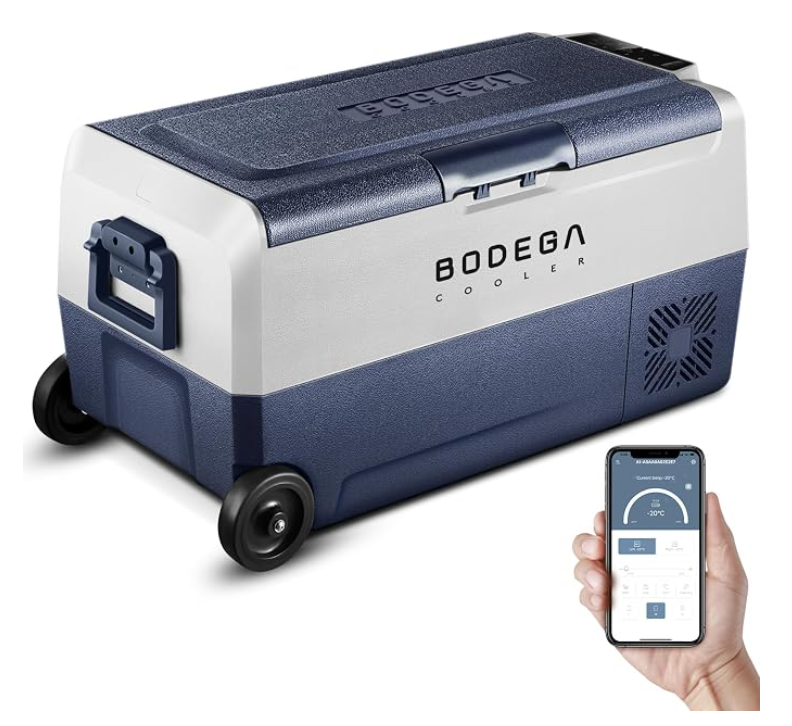
The 38QT / 36L dual-zone BODEGA T36 refrigerator we use instead of buying ice.
View the BODEGA Refrigerator →
Single-cup coffee without loose grounds, filters, or a full pot to wash.
View the Coffee Maker →
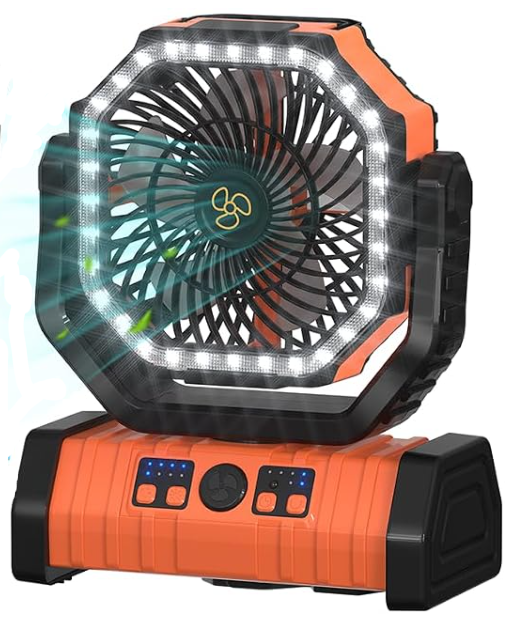
Rechargeable fan with four speeds, remote control, light, and hanging hook.
View the ADUST Fan →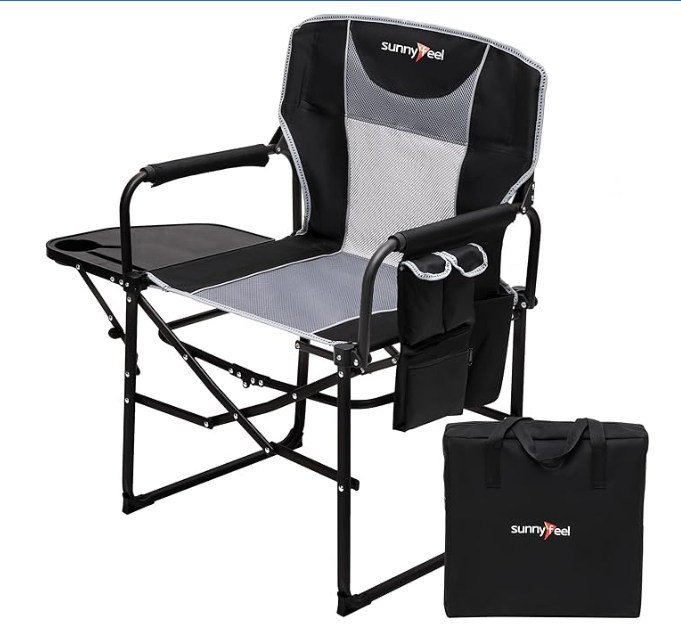
Full-size folding chair with side table and storage pocket.
View the SUNNYFEEL Chair →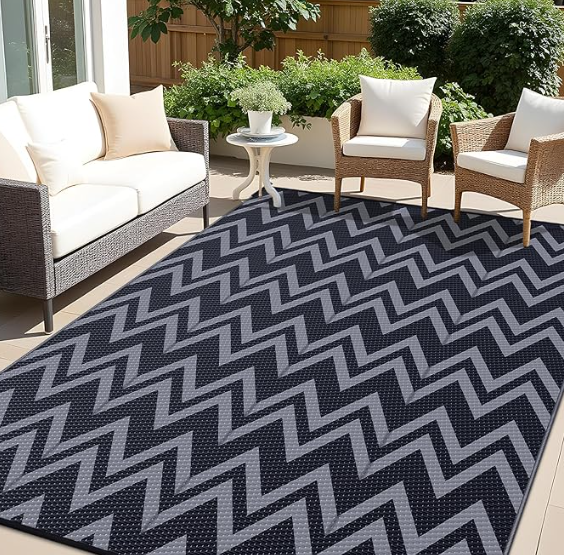
Reversible black-and-gray outdoor rug for the campsite seating area.
View the OLANLY Rug →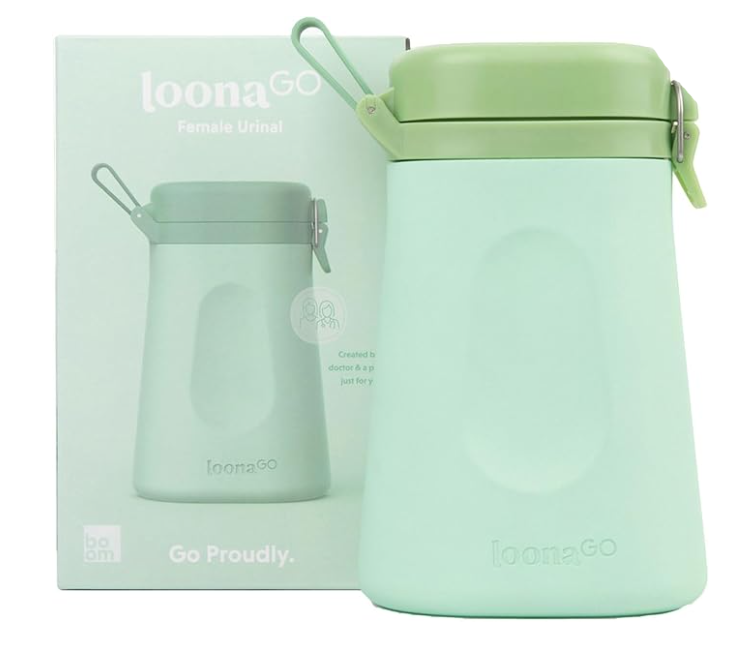
Portable urinal for women that we keep for nighttime use at camp.
View the LoonaGo →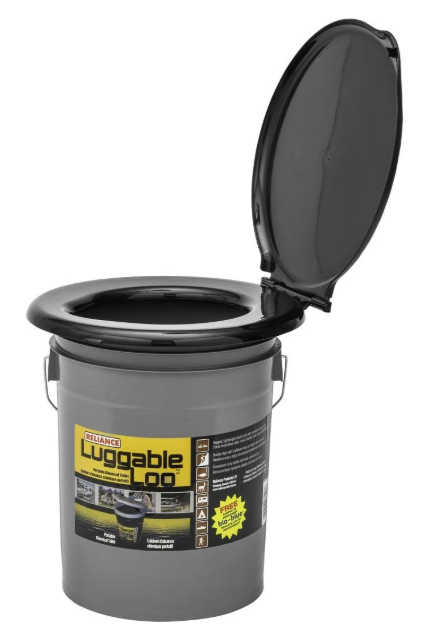
Portable toilet with a five-gallon bucket-style base, seat, and lid.
View the Luggable Loo →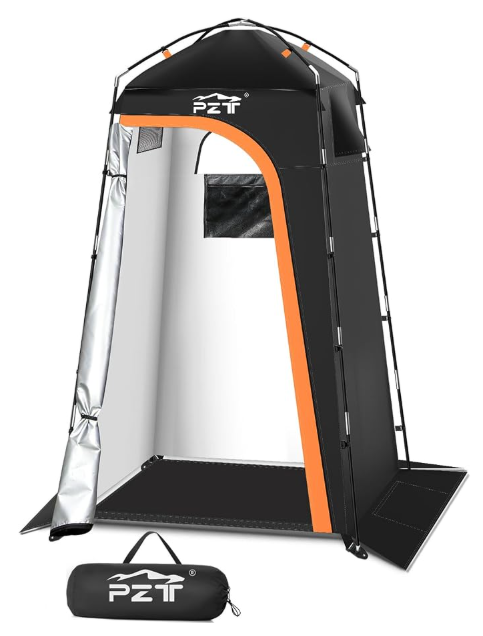
Privacy shelter for toilet, changing, or shower use at camp.
View the Privacy Tent →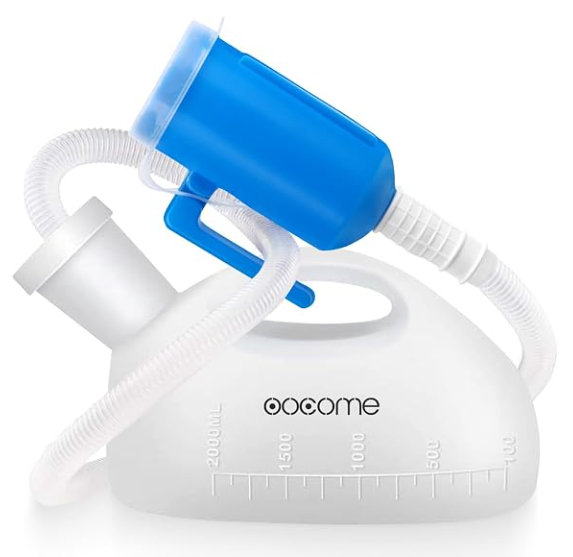
Reusable urinal bottle with lid and long tube for nighttime use.
View the OOCOME Urinal →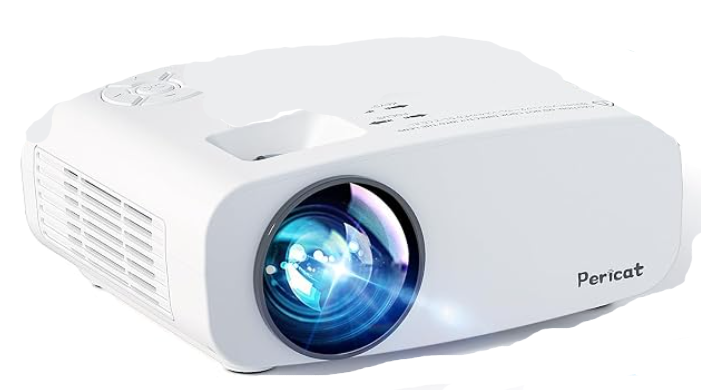
Mini projector with WiFi and Bluetooth, compatible with PC, HDMI, USB, TV Stick, and PS5. We use it for movies in the tent.
View the Projector →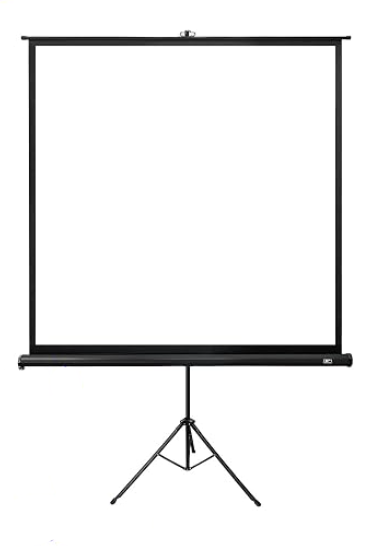
50-inch 1:1 pull-up projector screen with a lightweight folding stand. 4K/8K Ultra HDR and 3D ready, and easy to set up for movies at camp.
View the Projector Screen →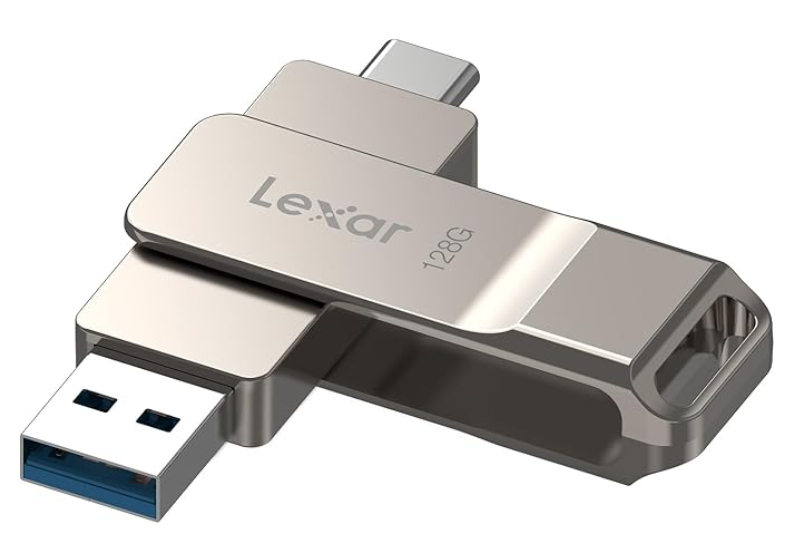
Thumb drive used to keep movies available without campground internet.
View the Thumb Drive →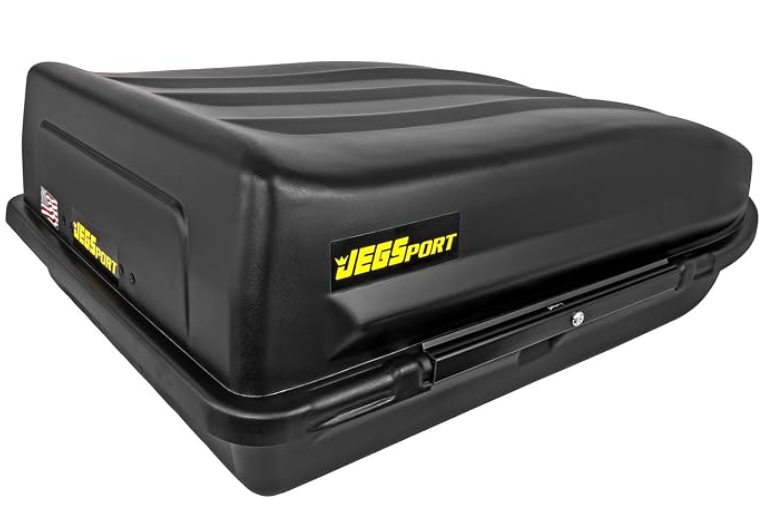
Hard-sided rooftop storage for bulky camping gear.
View the Roof Box →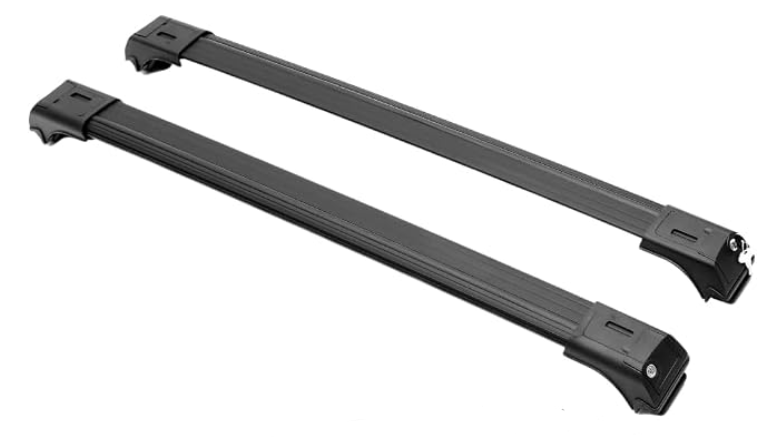
These are the crossbars we use with our rooftop cargo box.
View the Crossbars →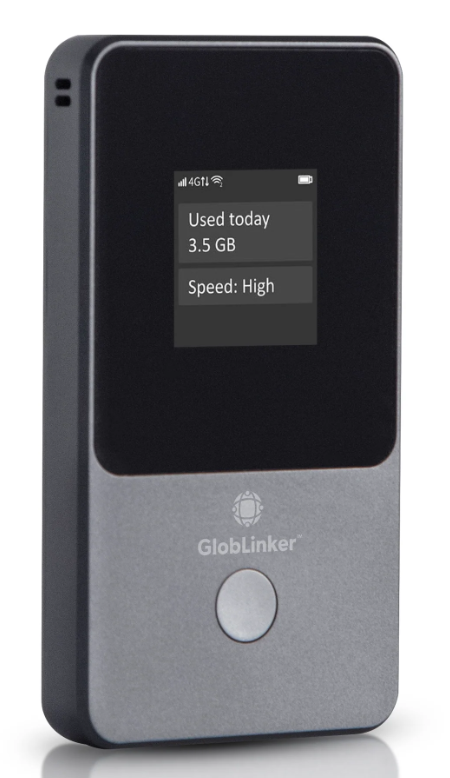
Portable hotspot used for one private WiFi network while camping and traveling.
Glampabout © Walkabout Travel Gear. As an Amazon Associate and through other affiliate programs, we may earn a commission from qualifying purchases.