Car roof storage for bulky tent-camping gear, crossbars, bedding, chairs, rugs, and camp extras.
A roof box gives tent camping gear a hard-sided storage space above the vehicle. It moves bulky, lightweight camp gear out of the cabin so seats, floor space, food, electronics, and day-use items stay reachable.
For Glampabout camping, roof storage solves a real packing problem. Comfortable tent camping uses beds, bedding, chairs, rugs, fans, shelters, and camp extras. A rooftop cargo carrier keeps that gear out of the passenger space without turning the trip into RV camping.
A roof box needs roof rack crossbars. Side rails by themselves are not enough. The box clamps to crossbars that run across the vehicle, so check the carrier instructions, crossbar fit, roof rack rating, vehicle roof rating, and loaded weight before packing.
Pair roof storage with the Glampabout checklist, tent setup, camp beds, and camp chairs pages before a long trip.
Use the roof box for bulky, lightweight gear that steals room inside the car.
Heavy gear, water, batteries, food coolers, and power stations stay low inside the vehicle.
Side rails are not crossbars. A roof box needs front and rear crossbars across the vehicle.
Measure the loaded vehicle height before gas stations, drive-throughs, ferries, garages, and low branches.
Roof Box Field Rule
A roof box is not for random extra junk. It needs the right crossbars, the right weight limit, and bulky lightweight gear that blocks the cabin, buries daily items, or makes the car harder to use.
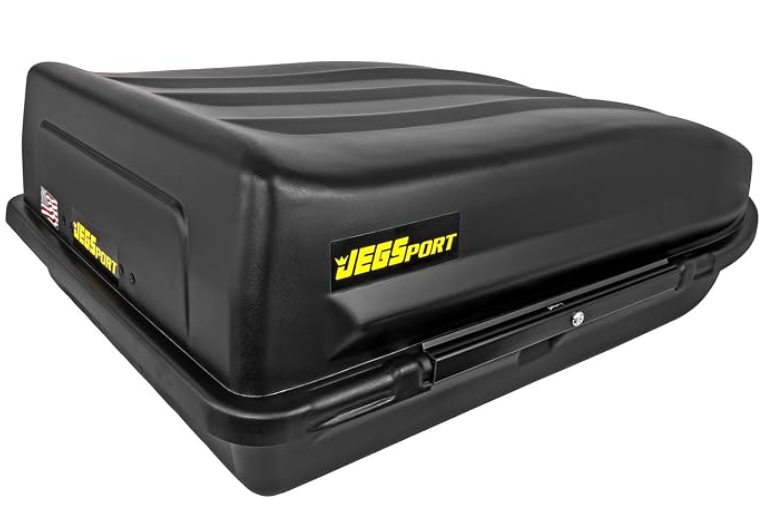
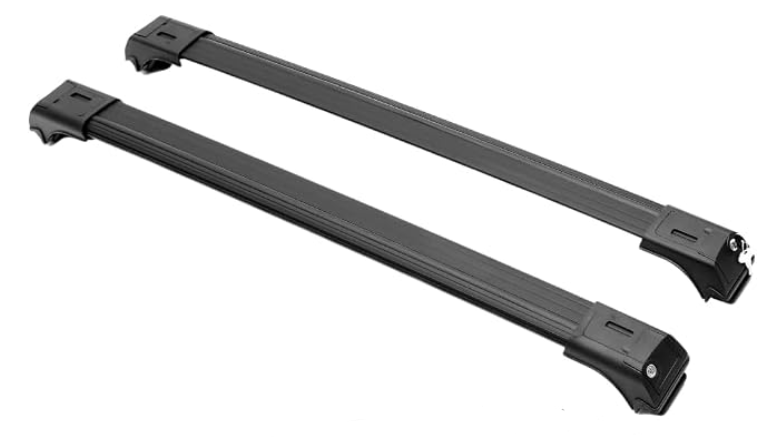
This is the hard-shell rooftop cargo carrier we use, along with the crossbars we use to mount it. The roof box adds storage above the vehicle for bulky camping gear, bedding, chairs, rugs, and camp extras that do not fit well inside the car.
Hard-sided rooftop storage gives bulky camp gear a separate place, keeps the cabin more usable, and protects packed gear from weather during the drive.
These are the crossbars we use with the roof box. A roof box needs crossbars running across the vehicle roof. Side rails alone are not enough.
Pack dry, bulky, lightweight gear. The roof box is the right place for items that take space but do not add much weight.
Keep dense, loose, fragile, sharp, wet, and temperature-sensitive items out of the roof box. Weight belongs low. Fragile gear belongs inside. Wet gear belongs in a container that will not leak into bedding.
Do not use the roof box for power stations, loaded coolers, water jugs, fuel, loose tools, sharp gear, or loose food. Keep roof loads light, dry, and secured.
A hard-shell roof box gives fixed shape, locking storage, and cleaner access from trip to trip. A roof bag packs smaller when empty and costs less, but needs tighter strap, zipper, weather, and load checks.
Confirm the vehicle roof rating, crossbar rating, carrier rating, and installed height before loading the roof box. Tighten mounts before departure, recheck after the first drive segment, and keep the key or latch access reachable. Side rails are not crossbars.
What is the point of a roof box for camping?
A roof box moves bulky, lightweight camping gear out of the cabin. The car stays usable for people, food, electronics, and day-use items.
What should go in a rooftop cargo carrier?
Pack bulky, lightweight gear: bedding, pillows, camp rugs, folding chairs, privacy shelters, tarps, and dry camp extras. Keep heavy gear and liquids low inside the vehicle.
What should stay out of a roof box?
Keep power stations, water jugs, fuel, loose tools, loaded coolers, fragile electronics, and sharp items out of the roof box. Weight belongs low and secure.
Do roof boxes need crossbars?
Yes. A roof box needs roof rack crossbars. Side rails alone are not enough because the box needs front and rear support across the vehicle.
Is a hard-shell roof box better than a roof bag?
A hard-shell roof box gives firmer shape, locking storage, and cleaner access. A roof bag packs smaller when empty and costs less, but needs tighter weather and strap checks.